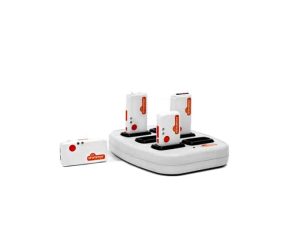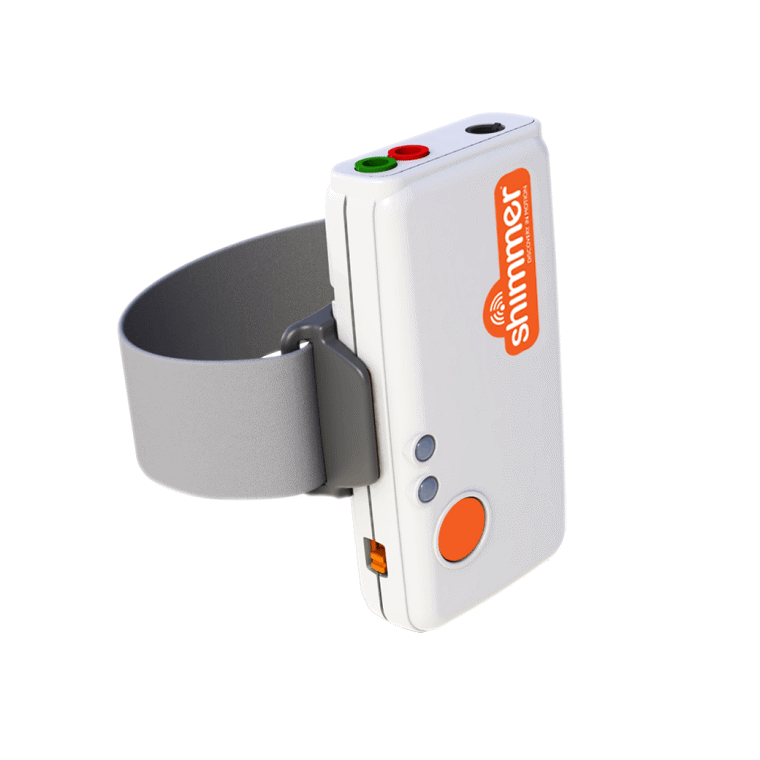
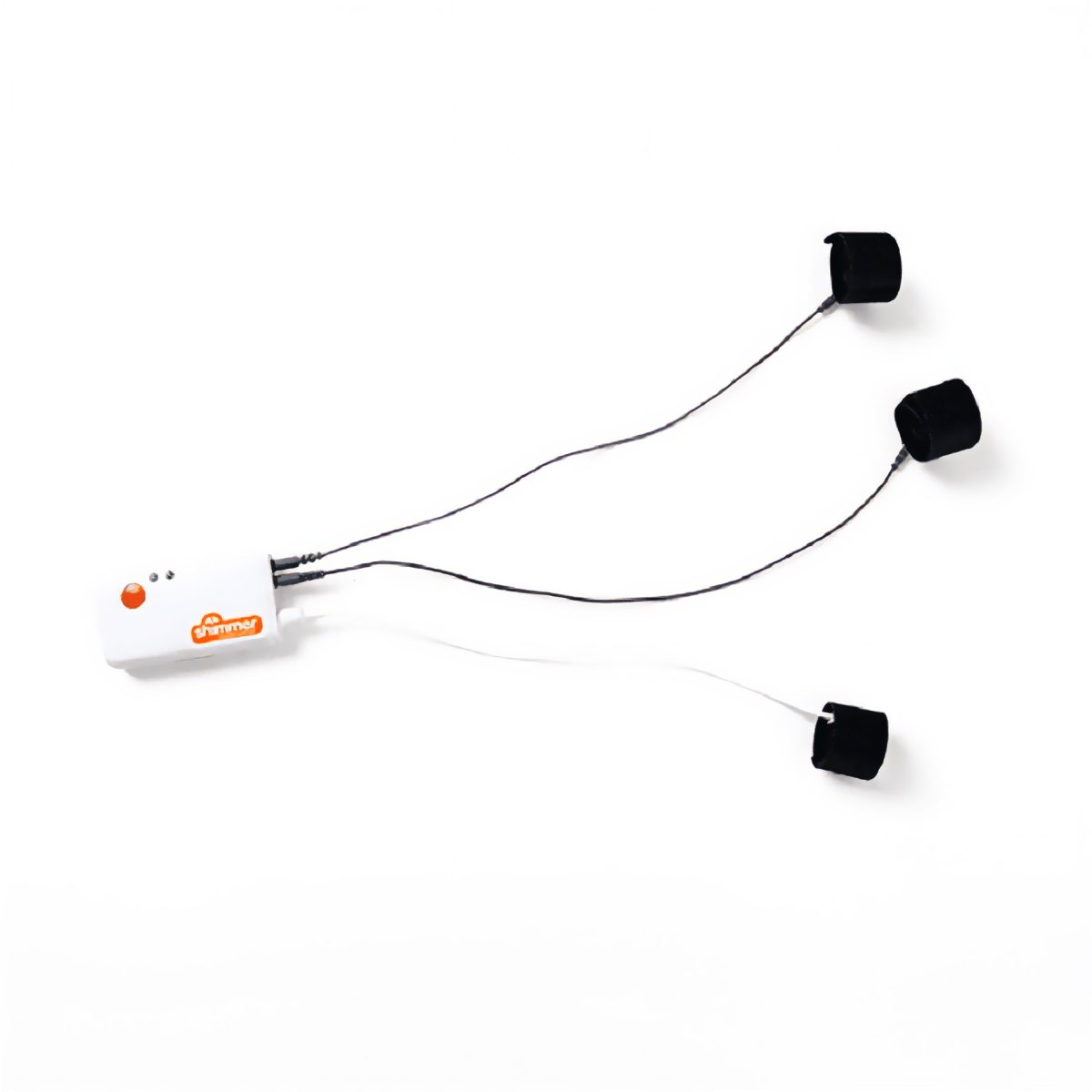
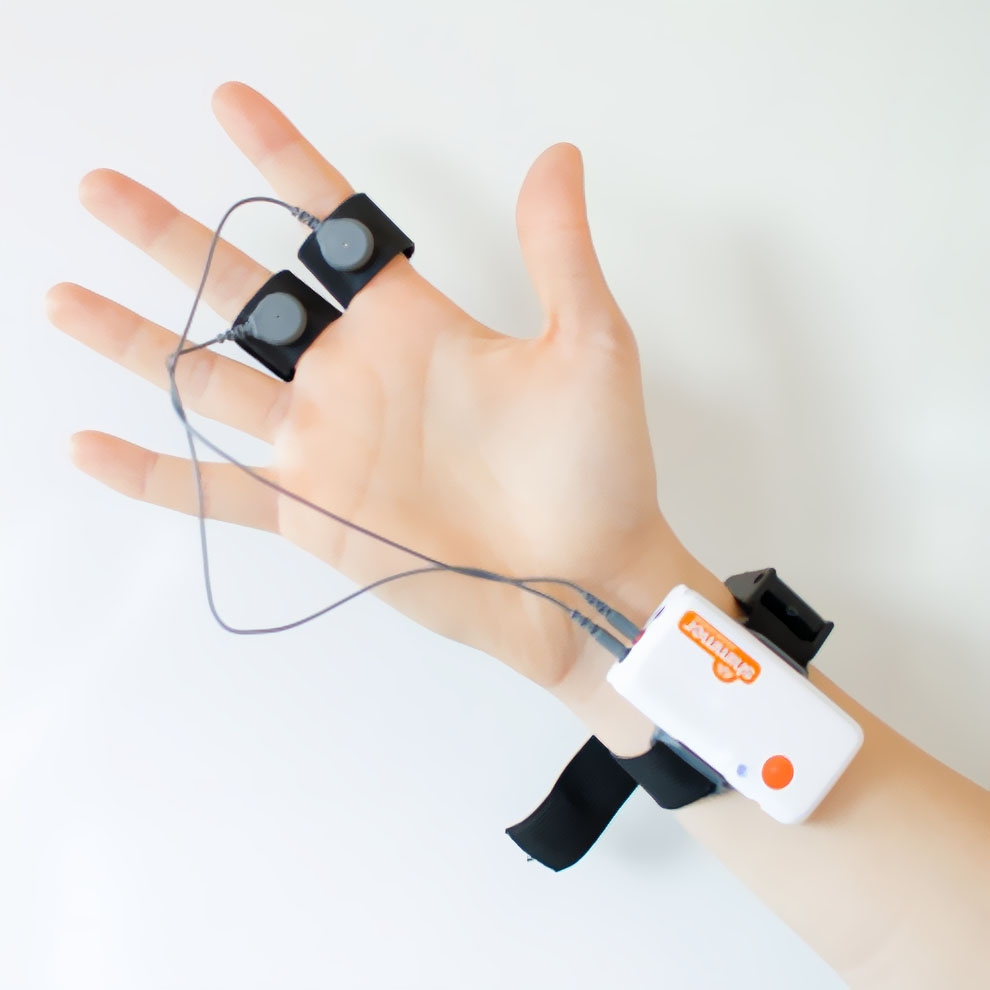
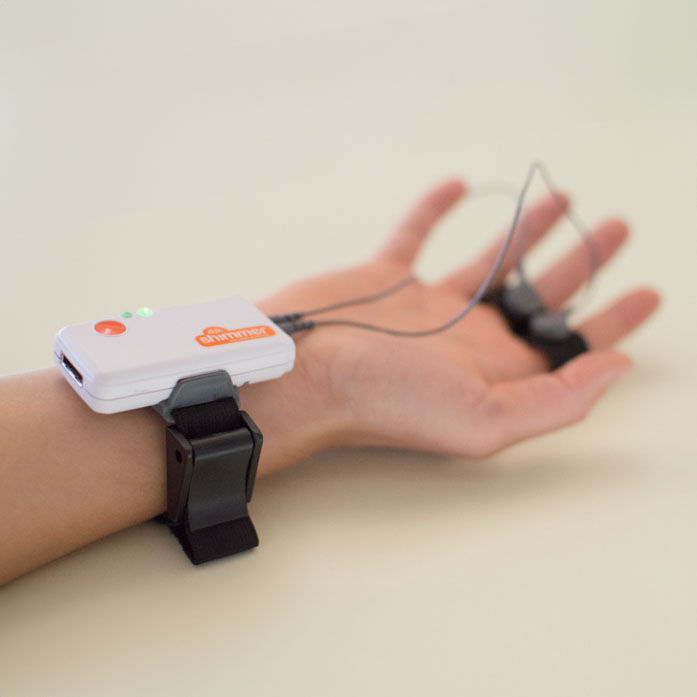
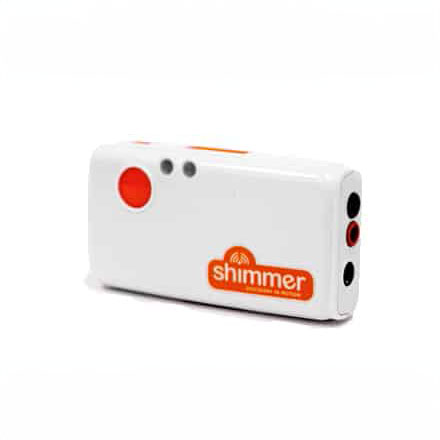
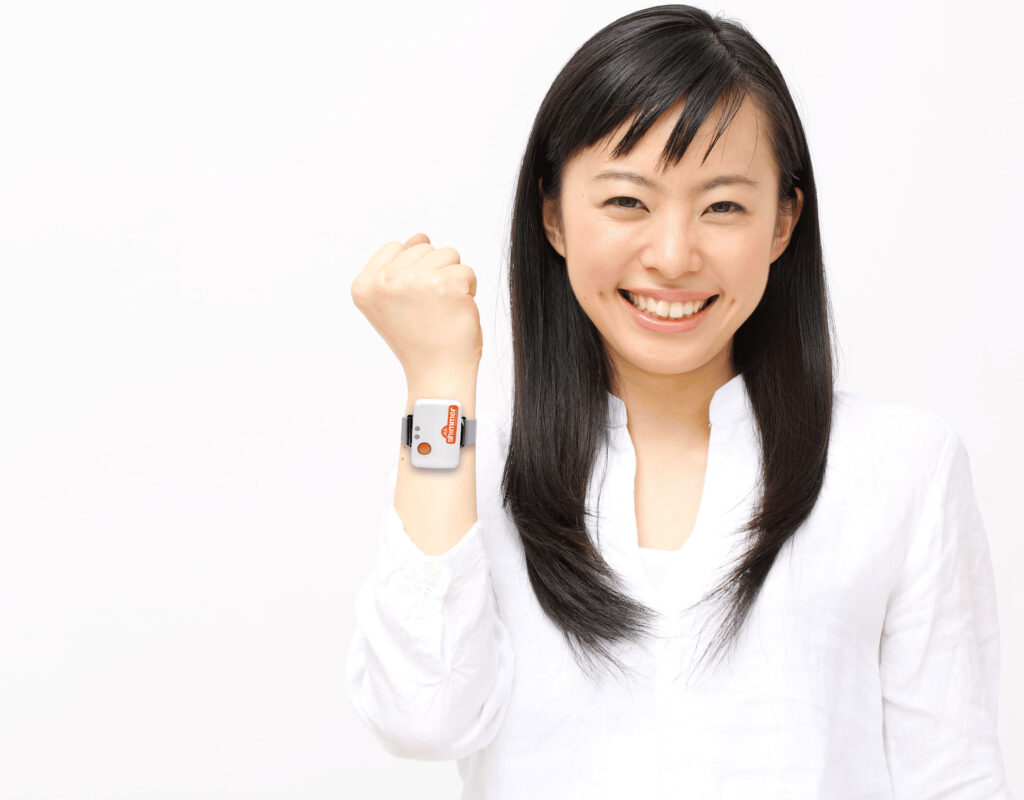
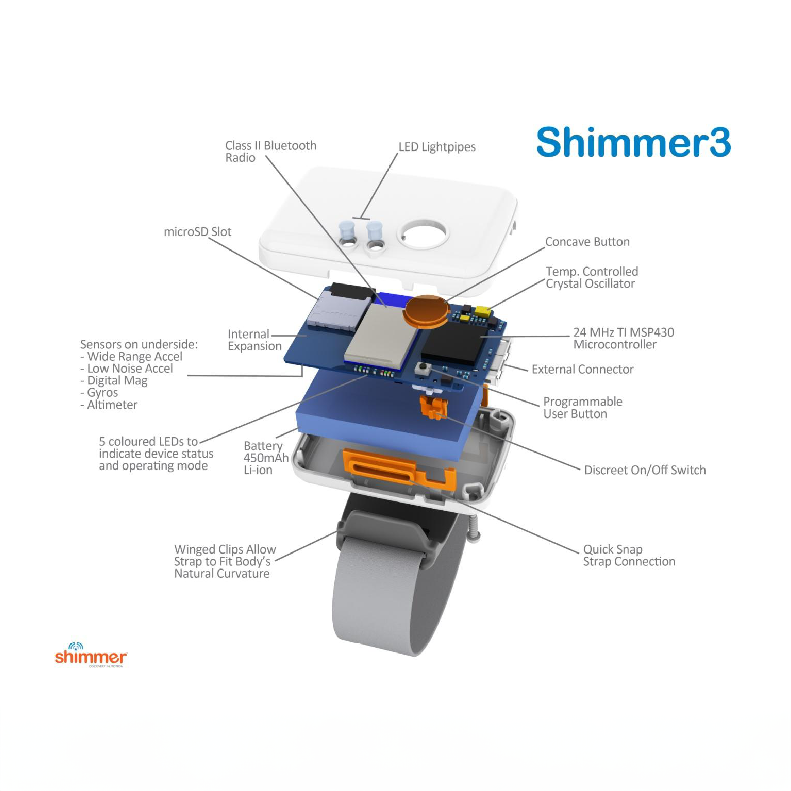

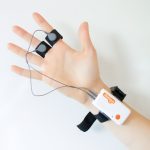
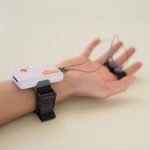
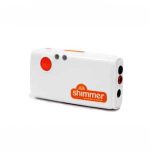

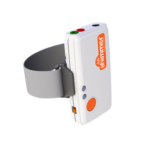
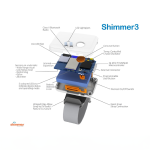
The Shimmer3 GSR+ (Galvanic Skin Response) monitors skin conductivity between two reusable electrodes attached to two fingers of one hand. Caused by a stimulus the sweat glands become more active, increasing moisture on the skin and allowing the current to flow more readily by changing the balance of positive and negative ions in the secreted fluid (increasing skin conductance).
The Shimmer3 GSR+ unit can also provide a photoplethysmogram (PPG) signal from a finger, ear-lobe, or other location on the body when adding an Optical Pulse probe.
Shimmer is a widely used and trusted product with a long publication history. Find white papers, research papers and more here: https://shimmersensing.com/support/publications/
Reliable System
Real-time Data Collection, Display, and Storage
Lightweight, Wearable Unit
Adaptability (Wired vs. Wireless)
Leverages Shimmer3 Functionality
| Model | Shimmer3 GSR |
| Number of Channels | Channel GSR (Analog) |
| Measurement range | 10k-4.7MΩ (.2uS – 100uS) +/- 10%. 22k-680kΩ (1.5-45uS) +/- 3% |
| Frequency range | DC-15.9Hz |
| Input protection | RF/EMI filtering, Current limiting |
| Inputs | 2 x Hospital-Grade 1mm Touchproof IEC/EN 60601-1 DIN42-802 jacks |
| Auxiliary input | 2 Channel Analog input via a 3.5mm 4-position jack (input voltage range = 0..3.0V) |
| Recommended Bluetooth Adapter | Kensington K33956AM USB 2.0 Bluetooth 4.0 (be sure to disable your machine’s internal bluetooth) |
Beykoz University + 2 more
Background: Anorexia nervosa (AN) is a severe psychiatric disorder marked by restrictive eating, distorted body image, and high relapse rates. While cognitive-behavioral therapy (CBT) is a widely used treatment, its mechanisms of action in AN remain incompletely understood, particularly beyond self-reported symptom change. This study investigated the effects of a 12-week CBT intervention on both […]
Copenhagen Business School
Abstract: This study investigates the attentional and emotional impact of different image types in medical crowdfunding campaigns, and how these images impact donations. Building on signaling theory and evolutionary explanations for the drivers of altruism, we hypothesized that donors will be more likely to support campaigns with images that depict illness than campaigns with images […]
University of Applied Sciences Hof + 4 more
Abstract This paper investigates the physiological responses of individuals driving both on a real route and within a vehicle simulator designed as a digital twin of that route. The analysis of observed data patterns in stress response bio signals provides sufficient evidence of similarity to validating the driving simulation digital twin as a reliable replacement […]
South Dakota State University
Ergonomics Research iMotions' Ergonomics Research Lab integrates advanced biosensors and data analysis tools to assess physical, cognitive, and environmental factors, enhancing workspace design and human performance. See features now This article explores the feasibility of integrating wearable physiological sensors into high-fidelity healthcare simulation to monitor cognitive load and fatigue. Using electrocardiogram (ECG) and galvanic skin […]
Hubei University + 1 more
Anthropomorphic product design is often assumed to increase consumer engagement, but its neural mechanisms and boundary conditions remain underexplored. This study employed a multimodal neuroscientific approach—electroencephalography (EEG), galvanic skin response (GSR), and eye-tracking—to examine how anthropomorphized versus non-anthropomorphized products influence consumer responses. Forty-four young adults viewed AI-generated images of beverages, backpacks, and smartphones. While anthropomorphic […]
University of Ss. Cyril and Methodius in Trnava
Abstract:Advertising literacy has long been studied primarily through explicit methods such as questionnaires and interviews, which capture respondents’ self-reported knowledge and attitudes. However, these approaches face serious limitations – they are prone to biases such as social desirability and often fail to capture implicit processes involved in advertising perception that occur outside conscious reflection. Our […]
Wrocław University of Science and Technology + 2 more
Ergonomics Research iMotions' Ergonomics Research Lab integrates advanced biosensors and data analysis tools to assess physical, cognitive, and environmental factors, enhancing workspace design and human performance. See features now Using machine learning applied to multimodal physiological data allows the classification of cognitive workload (low, moderate, or high load) during task performance. However, current techniques, such […]
Ruhr West University of Applied Sciences + 2 more
Introduction: Understanding how emotional experiences shape consumer behavior in digital environments is a central issue in decision-making neuroscience. While social media feeds are saturated with sponsored content, little is known about how such content modulates affective rhythms and influences engagement. Methods: Grounded in decision neuroscience frameworks and affective processing models, this study develops a three-layer analytical model […]
Ruhr West University of Applied Sciences + 2 more
Introduction: As social media platforms increasingly rely on native advertising embedded within user feeds, an open question is whether sponsored posts garner comparable, greater, or reduced attention relative to surrounding non-sponsored content. Subtle cues (e.g., disclosures, call-to-action (CTA) buttons) may alert users to the commercial nature of these posts or remain unnoticed in rapid-scroll environments. In […]
Hamburg University of Applied Sciences + 2 more
Ergonomics Research iMotions' Ergonomics Research Lab integrates advanced biosensors and data analysis tools to assess physical, cognitive, and environmental factors, enhancing workspace design and human performance. See features now Phishing emails are a type of social engineering designed to extract sensitive information from individuals and organizations. Phishing attacks can exploit psychological mechanisms-such as fear and […]
This hardware works seamlessly with iMotions Lab. Pair it with the matching software module to record, sync and analyze your data.
Research platform iMotions Lab The core platform to collect, sync and analyze multimodal biosensor data. iMotions Software Module EDA/GSR (Electrodermal Activity) Measure skin conductivity to indicate emotional arousal and stress.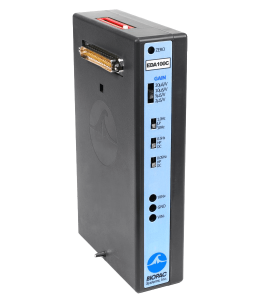
Biopac
EDA/GSR (Electrodermal Activity)
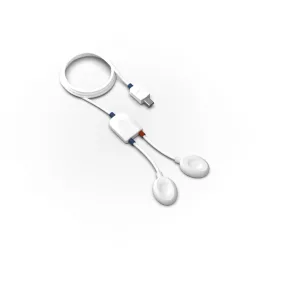
Plux Biosignals
EDA/GSR (Electrodermal Activity)
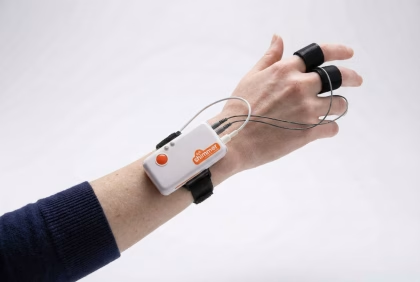
Shimmer Research
EDA/GSR (Electrodermal Activity)
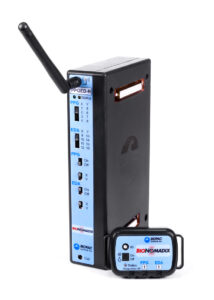
Biopac
EDA/GSR (Electrodermal Activity)




Read publications made possible with iMotions
Get inspired and learn more from our expert content writers
A monthly close up of latest product and research news