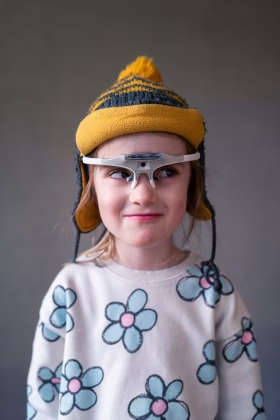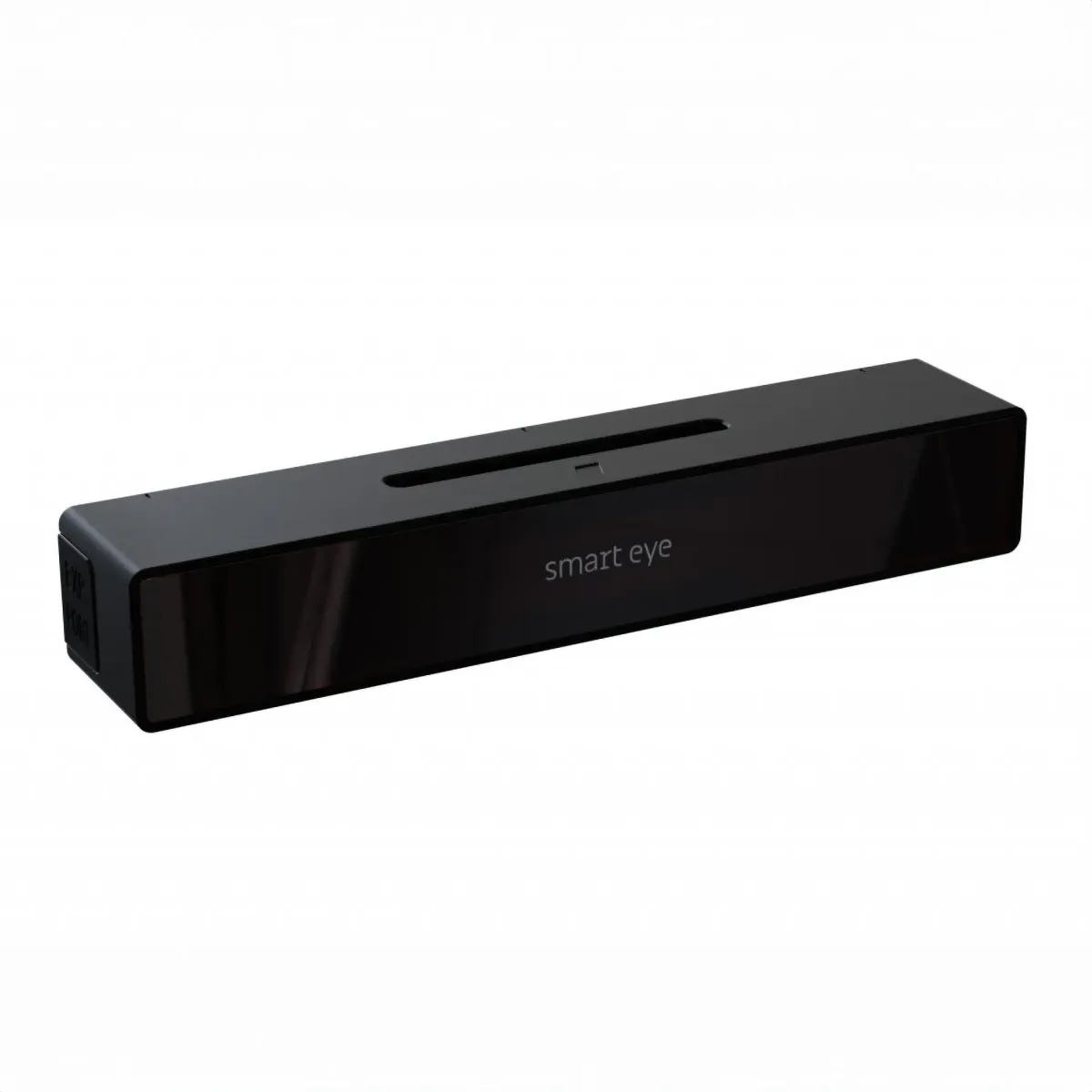


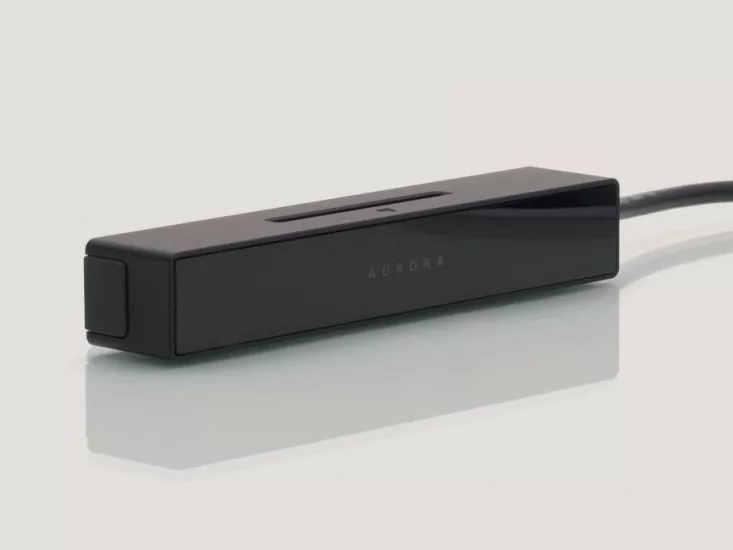
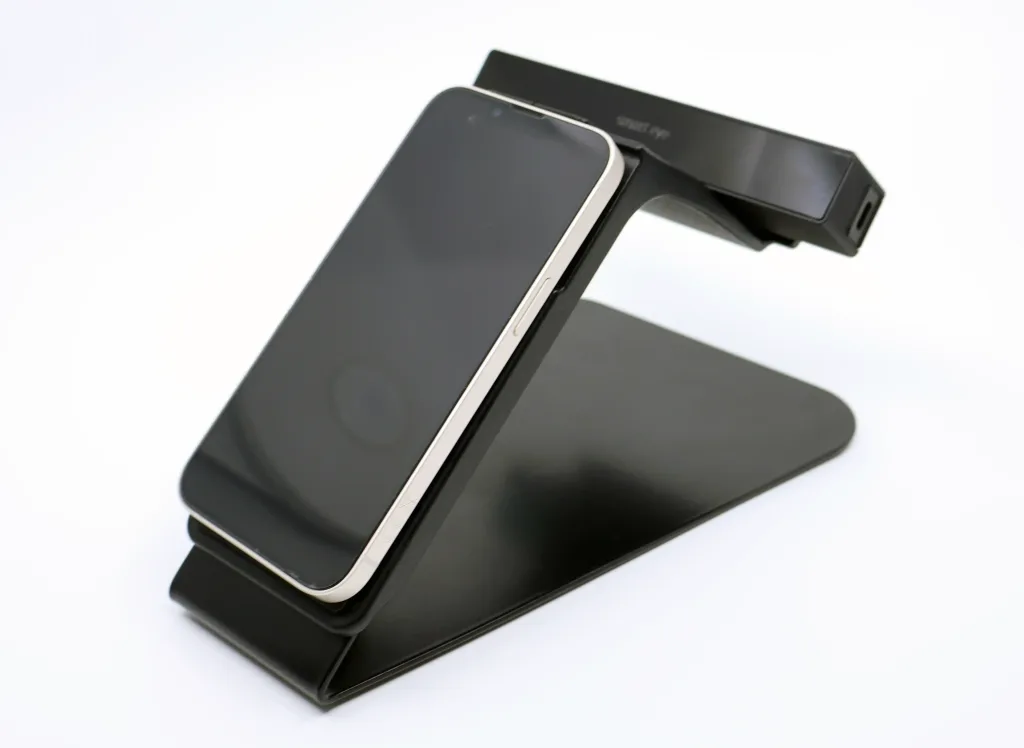
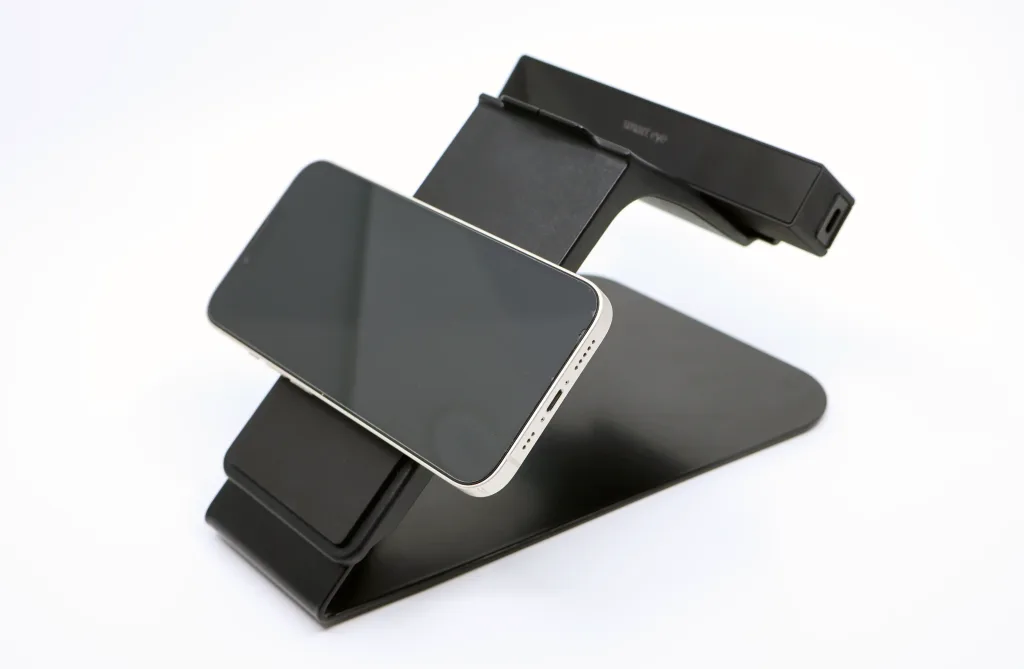
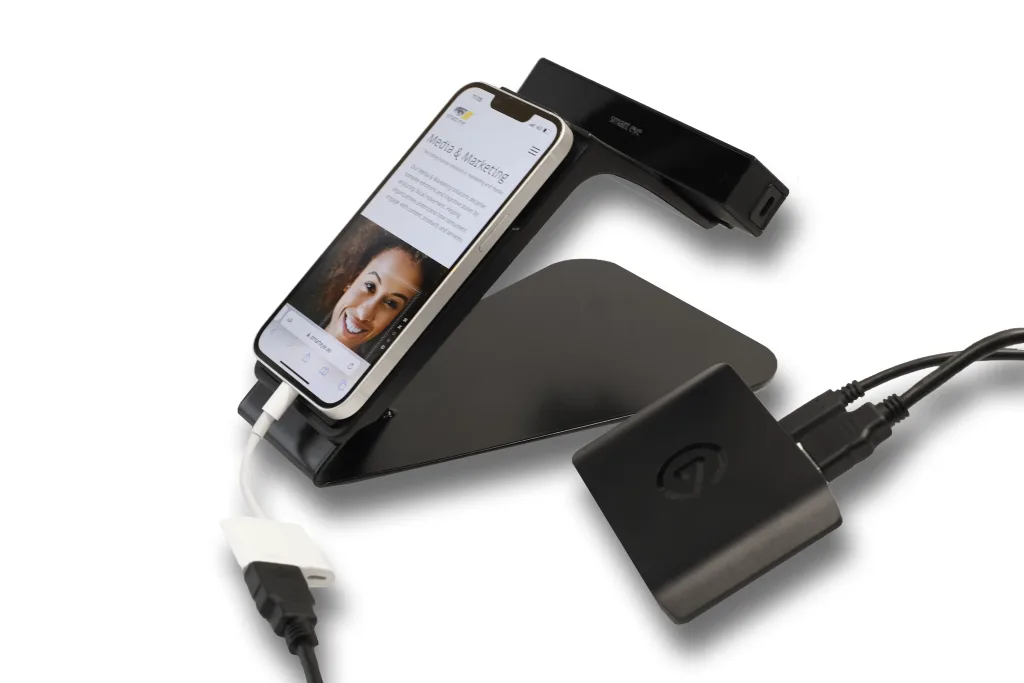
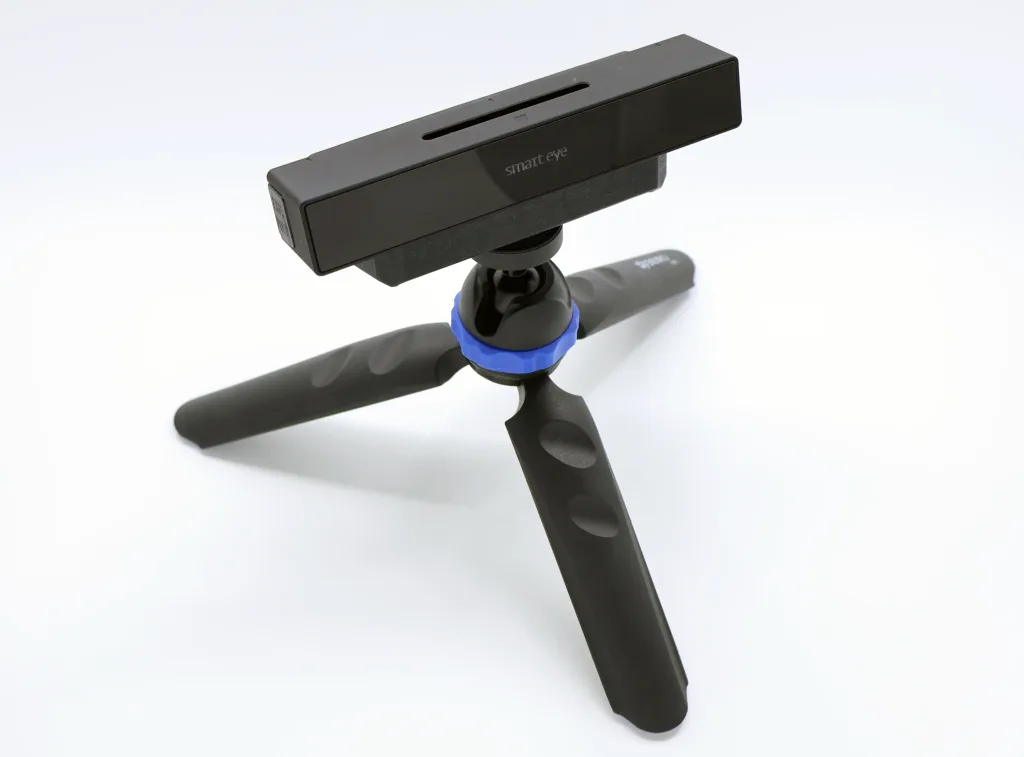





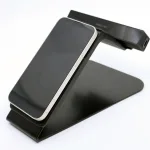
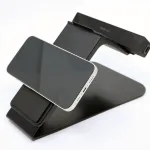
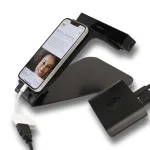
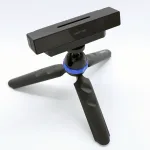
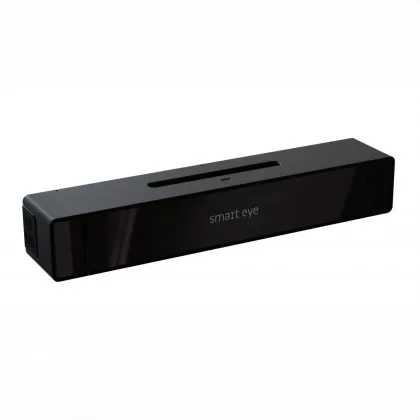
Smart Eye Aurora is a high-performance eye tracker. The powerful Aurora offers high-end eye tracking capabilities in a small size without compromising quality or performance.
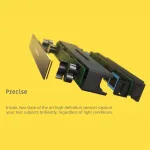
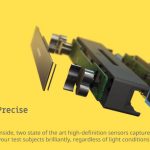
Aurora’s small size makes it easy to switch between different projects, screens and situations. Inside, two state of the art high-definition sensors capture your test subjects brilliantly, regardless of light conditions. Available with a 30, 60, 120 or 250 Hz frame rate. Designed for collaboration, Aurora can be integrated with other sensors and biometric research systems.
Aurora can be used stand alone or integrated with iMotions’ biometric research sensors and systems, enabling seamless data collection, synchronization, visualization and analysis. In other words, it’s never been easier to combine eye tracking with galvanic skin response, facial expression analysis, EEG, self-report and much more – in one single computer.
Smart Eye and iMotions has conducted a comprehensive validation study of the 60 hz version of the Aurora to prove its robustness and accuracy across a range of user characteristics. Download the Aurora 60Hz White paper here.
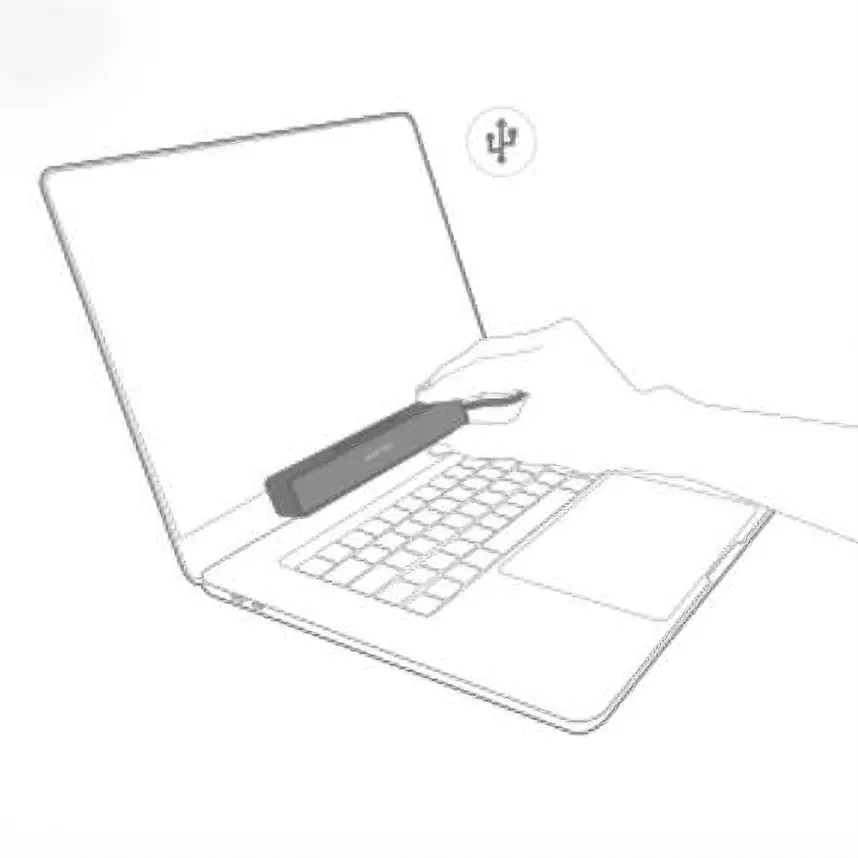
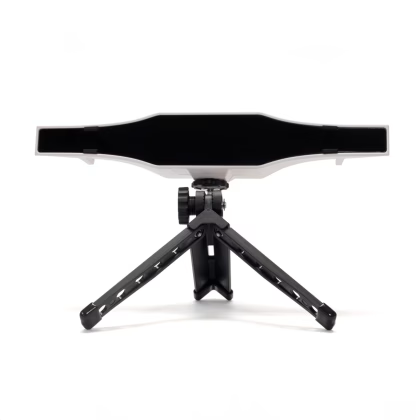
The Smart Eye Aurora eye tracker is compatible with the Smart Eye Mobile Stand, and the iMotions Screen-based Eye Tracking Module.
| Sample Rate | 30 / 60 / 120 / 250 hz |
| Accuracy | Head rotation 0.3 degrees, Gaze 0.3 degrees |
| Eyewear compatibility | Glasses, contact lenses, and sunglasses of IR-type |
| Recovery time | Tracking loss: Immediate |
| Head movement | 50 x 40 cm |
| Calibration mode/time | 4 calibration points / 10-15s |
| Eye tracking principle | Pupil and iris/corneal reflection and head model |
| Operating distance | 50 – 80 cm |
| Output | TCP/UDP/Text log |
| Dimensions | 12.6 x 2.4 x 2.7 cm |
| EPU | Necessary Add-on. Inquire with us about pricing. |
| Maximum Screen Size | Up to 24” (16:9 ratio) |
| Monocular Data | Yes (supports both monocular and binocular through iMotions Lab) |
University of Ss. Cyril and Methodius in Trnava
Abstract:The study focuses on analysing consumer reactions when evaluating food packaging with different objective values. Its aim was to examine how visual design elements are reflected in consumer decision-making and how they influence the customer journey – from initial attention capture to conscious quality evaluation. The research responds to the broader question of the power […]
University of Ss. Cyril and Methodius in Trnava
Abstract:This study examines the power of marketing communication in the context of the customer journey and compares the informative value of traditional and neuromarketing methods in interpreting consumer decision-making. The aim is to show the extent to which the biometric and conscious responses of research participants coincide, complement or diverge in their evaluation of marketing […]
University of Ss. Cyril and Methodius in Trnava
Abstract:Advertising literacy has long been studied primarily through explicit methods such as questionnaires and interviews, which capture respondents’ self-reported knowledge and attitudes. However, these approaches face serious limitations – they are prone to biases such as social desirability and often fail to capture implicit processes involved in advertising perception that occur outside conscious reflection. Our […]
University of Surrey
This study explores consumers’ reactions and responses to calorie labelling of restaurant menus. A convenience sample of 36 participants aged 18 and older, who dine out at least monthly, engaged with menus using eye-tracking technology to measure involuntary attention. Participants visited the lab twice: first with a menu without calorie labelling and, at least two […]
The Ohio State University
Literature underscores the important role of emotions in education, especially in challenging fields like programming. Emotions such as pride, shame, relief, and disappointment are often triggered after the task; hence, they are essential as they require students’ reflection on performance and influence future decisions. Yet, these emotions remain underexplored in educational contexts. This study investigates […]
Aarhus University + 1 more
Health-related information on pre-packed food products can enhance purchase intention and healthy choices. However, retained positive influence of health-related information on product liking is necessary to help consumers make informed decisions about a healthy diet in the long term. According to information-reduction theory, consumers reduce the amount of information that is processed in repeated exposure. […]
University of Ss. Cyril and Methodius + 1 more
Ergonomics Research iMotions' Ergonomics Research Lab integrates advanced biosensors and data analysis tools to assess physical, cognitive, and environmental factors, enhancing workspace design and human performance. See features now The labelling of tourism accommodation services profoundly influences consumer behaviour and decision-making processes. Many consumers view labelling as a subjective assurance of the quality of services […]
University of Kentucky + 1 more
Communication is a fundamental aspect of human interaction, yet many individuals must speak in less-than-ideal acoustic environments daily. Adapting their speech to ensure intelligibility in these varied settings can impose a significant cognitive burden. Understanding this burden on talkers has significant implications for the design of public spaces and workplace environments, as well as speaker […]
University of Tübingen + 2 more
Given the current state of medical artificial intelligence (AI) and perceptions towards it, collaborative systems are becoming the preferred choice for clinical workflows. This work aims to address expert interaction with medical AI support systems to gain insight towards how these systems can be better designed with the user in mind. As eye tracking metrics […]
Drexel University + 4 more
Introduction: The efficiency and safety of complex high precision human-machine systems such as in aerospace and robotic surgery are closely related to the cognitive readiness, ability to manage workload, and situational awareness of their operators. Accurate assessment of mental workload could help in preventing operator error and allow for pertinent intervention by predicting performance declines that […]
This hardware works seamlessly with iMotions Lab. Pair it with the matching software module to record, sync and analyze your data.
Research platform iMotions Lab The core platform to collect, sync and analyze multimodal biosensor data. iMotions Software Module Eye Tracking Screen Based Measure visual attention on monitors and mobile devices with the screen-based eye tracking module.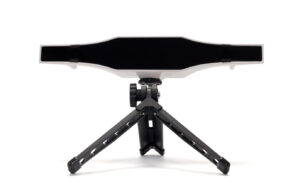
Gazepoint
Eye tracking screen based
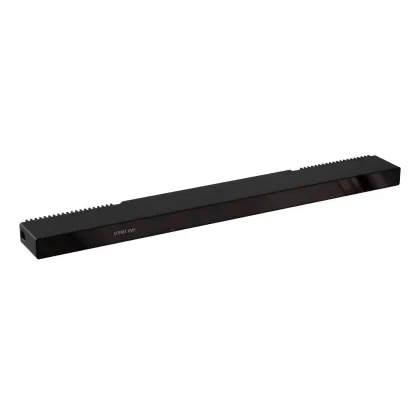
Smart Eye
Eye tracking screen based
Smart Eye
Eye tracking screen based
Smart Eye
Eye tracking screen based
Gazepoint
Eye tracking screen based
Smart Eye
Eye tracking screen based
Read publications made possible with iMotions
Get inspired and learn more from our expert content writers
A monthly close up of latest product and research news