

Given the ubiquity of videogame play by children, concerns about the impacts of videogames, and increasing evidence of the benefits associated with digital play, it is important to evaluate the player experience (pX) of children. Moreover, it is essential to include children’s voices in research about technologies designed for their use. However, eliciting rich, first-hand data on their experiences and perspectives is challenging because it requires children to articulate opinions in a pre-established context of general positivity towards games, alongside potential social desirability bias. In this paper, we present a methodology which uses children’s psychophysiology as a prompt for reflective interviews, with two commercial off-the-shelf computer games (Rocket League and LEGO Builder’s Journey). We consider the utility, reproducibility, reliability and validity of the method. In assessing the method, we discuss children’s experience of wearing the sensors, the insights generated from the psychophysiological data, and the understanding that emerged when prompting children to reflect and comment on their own psychophysiological data.
Related Posts
-

The Brain’s Buy Button Is a Myth
-

How to Study Indoor Wayfinding: What People Notice, Where They Struggle, and What to Measure
-

Combatting Fraud in Online Surveys: What To Do When Your Respondents Aren’t Real
-
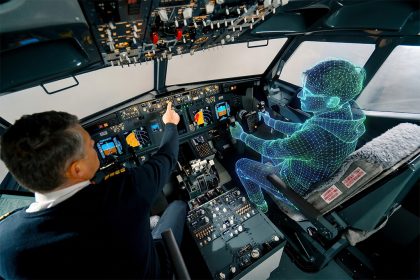
Human-in-the-Loop Digital Twins: How Real-Time Biosensor Data Is Transforming Simulator Research