



Abstract: Drivers in negative emotional states, such as anger or sadness, are prone to perform bad at driving, decreasing overall road safety for all road users. Recent advances in affective computing, however, allow for the detection of such states and give us tools to tackle the connected problems within automotive user interfaces. We see potential in building a system which reacts upon possibly dangerous driver states and influences the driver in order to drive more safely. We compare different interaction approaches for an affective automotive interface, namely Ambient Light, Visual Notification, a Voice Assistant, and an Empathic Assistant. Results of a simulator study with 60 participants (30 each with induced sadness/anger) indicate that an emotional voice assistant with the ability to empathize with the user is the most promising approach as it improves negative states best and is rated most positively. Qualitative data also shows that users prefer an empathic assistant but also resent potential paternalism. This leads us to suggest that digital assistants are a valuable platform to improve driver emotions in automotive environments and thereby enable safer driving.

Related Posts
-

The Brain’s Buy Button Is a Myth
-

How to Study Indoor Wayfinding: What People Notice, Where They Struggle, and What to Measure
-

Combatting Fraud in Online Surveys: What To Do When Your Respondents Aren’t Real
-
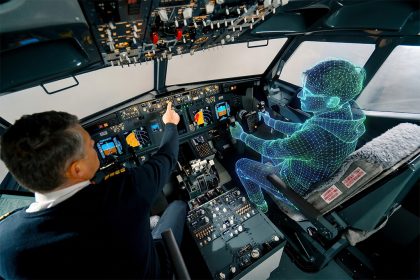
Human-in-the-Loop Digital Twins: How Real-Time Biosensor Data Is Transforming Simulator Research