

This research explores the use of heat maps derived from eye-
tracking data to identify cognitive strategies in mental rotation
tasks. Traditional methods like eye-tracking metrics and interviews
have limitations in capturing the full spectrum of strategy use. We
propose heat maps as a novel methodology to bridge the gap
between behavioral outputs and cognitive processes. Our
preliminary findings demonstrate distinct heat map signatures for
holistic and piecemeal strategies, validated through interview data.
This work contributes to spatial cognition research by providing a
more comprehensive framework for strategy classification and has
implications for STEM education and cognitive assessment.
Related Posts
-

The Brain’s Buy Button Is a Myth
-

How to Study Indoor Wayfinding: What People Notice, Where They Struggle, and What to Measure
-

Combatting Fraud in Online Surveys: What To Do When Your Respondents Aren’t Real
-
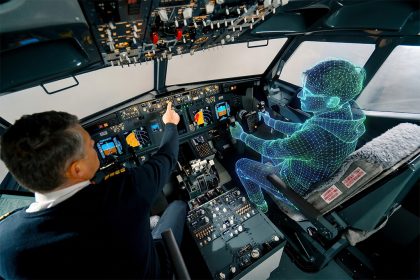
Human-in-the-Loop Digital Twins: How Real-Time Biosensor Data Is Transforming Simulator Research