

This paper presents a case study usability evaluation of a graphical user interface (GUI) used in the Virtual Terrain Image Generation System (VTIGS) developed by AMST Systemtechnik GmbH. The GUI is used by instructors to configure night vision training scenarios for pilots using Night Vision Goggles (NVG). However, many instructors are non-aviation professionals. This study examines how the perceived complexity of the GUI differs between aviation and non-aviation users. Using mobile eye tracking glasses (VPS 19 from Viewpointsystem GmbH), think-aloud protocols, and post-task surveys, it shows differences in interaction patterns and attention distribution. This work builds on findings from the author’s master’s thesis but is presented here as an independent summary.

Related Posts
-

The Brain’s Buy Button Is a Myth
-

How to Study Indoor Wayfinding: What People Notice, Where They Struggle, and What to Measure
-

Combatting Fraud in Online Surveys: What To Do When Your Respondents Aren’t Real
-
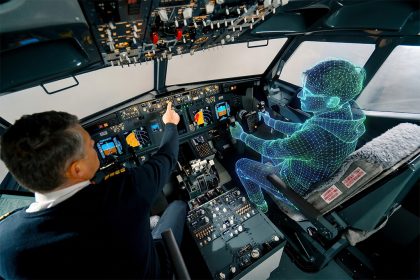
Human-in-the-Loop Digital Twins: How Real-Time Biosensor Data Is Transforming Simulator Research