



This research explores the impact of pie chart data representation on users by focusing on users’ performance, cognitive effort, and visual attention while employing novel eye tracking technology. This research focused on two questions centered around a difference in users’ visual attention, performance, and cognitive effort between pie chart visual properties and design variations. Two experiments were conducted with 30 participants each. Experiments found there was a variation in performance (accuracy error and time) and effort (fixation count and duration) across pie chart visual properties. Furthermore, experiments confirmed the effectiveness of 2D pie charts over tested alternatives (3D and donut chart).
Related Posts
-

The Brain’s Buy Button Is a Myth
-

How to Study Indoor Wayfinding: What People Notice, Where They Struggle, and What to Measure
-

Combatting Fraud in Online Surveys: What To Do When Your Respondents Aren’t Real
-
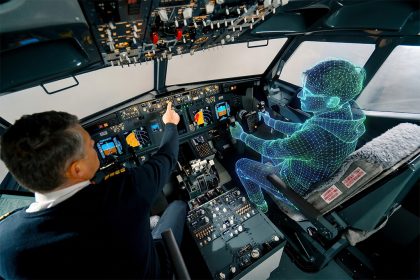
Human-in-the-Loop Digital Twins: How Real-Time Biosensor Data Is Transforming Simulator Research