Abstract
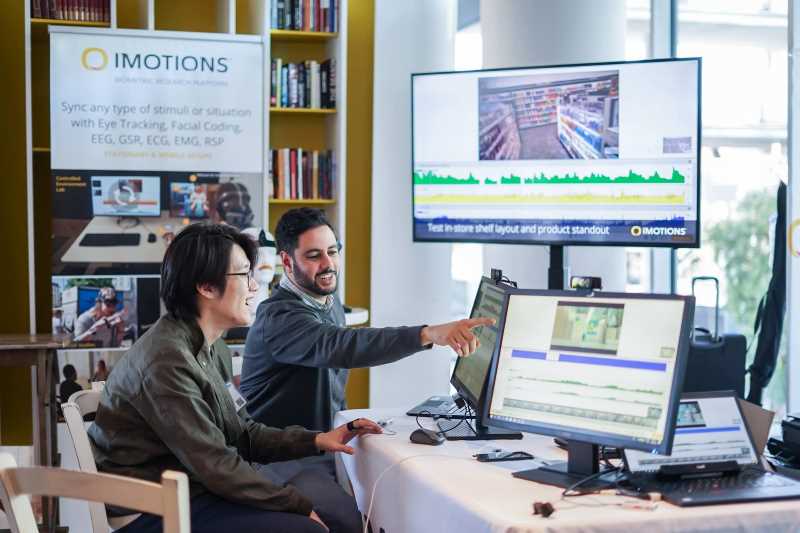
This study examined whether AI-powered chatbot-based training was associated with changes in university students’ Facial and Vocal Emotional Reaction Time Proportions during simulated job interviews. A one-group pretest–posttest design was conducted with 54 third- and fourth-year students enrolled in a Human Talent Management course at a private Latin American university. This study was implemented in an Applied Neuroscience Laboratory using iMotions-supported facial-expression recognition and vocal analysis technologies. Participants first completed a baseline simulated interview, followed by three chatbot-based training sessions using HR-expert-validated questions, end-of-session scoring, and qualitative feedback. A final simulated interview was then conducted to compare pre- and post-training indicators. Facial emotional reaction time was analyzed through aggregate indicators—positive, negative, neutral, confusion, and sentimentality—and specific facial-expression categories, including joy, surprise, anger, sadness, disgust, fear, and contempt. Vocal emotional reaction time was examined through happiness, sadness, anger, and neutrality. Pre–post differences were assessed using paired-samples t-tests and complementary Wilcoxon signed-rank tests. Positive facial emotional reaction time increased significantly from 3.52% to 14.75%, with a mean increase of 11.23 percentage points, 95% CI [4.79, 17.67]. Facial joy increased significantly from 2.38% to 10.10%, with a mean increase of 7.72 percentage points, 95% CI [3.30, 12.14], while vocal happiness increased significantly from 2.79% to 10.71%, with a mean increase of 7.92 percentage points, 95% CI [3.38, 12.46]. Each of these principal outcomes showed a standardized paired effect of dz = 0.48, 95% CI [0.19, 0.76], with corresponding Wilcoxon effect-size estimates ranging from r = 0.40 to r = 0.44. Several negative and neutral indicators also decreased after training; however, their mean-based standardized effects were generally smaller and some statistically significant findings were supported primarily by the Wilcoxon signed-rank test. Overall, chatbot-based interview training was associated with changes in algorithmically classified facial and vocal-expression patterns and may provide a complementary tool for structured interview practice in higher education.