

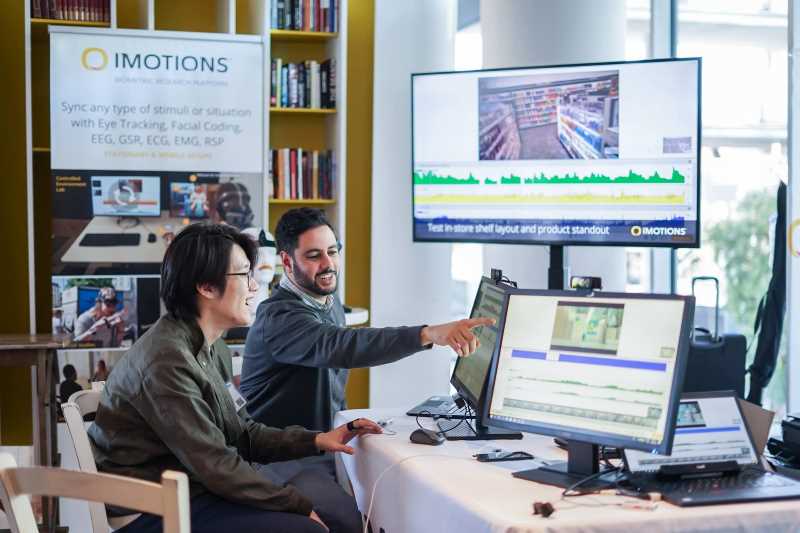
Mannequins are ubiquitous; this research investigates a specific element of mannequin style, namely, the presence or absence of a humanized head. Study 1 demonstrates that in physical stores, the presence of a humanized head enhances purchase intentions for the merchandise displayed on that mannequin. However, in online stores, mannequin styles with and without humanized heads are equally effective. Study 2 confirms the physical store results among customers with less fashion knowledge (novices), but among customers with more fashion knowledge (experts), the results reverse, such that mannequins without humanized heads enhance purchase intentions. Further, accessories are more likely to be viewed by experts when the mannequin is headless. These results are based on experiments whose dependent measures included both survey and eye-tracking data.
Related Posts
-

The Brain’s Buy Button Is a Myth
-
How to Study Indoor Wayfinding: What People Notice, Where They Struggle, and What to Measure
-

Combatting Fraud in Online Surveys: What To Do When Your Respondents Aren’t Real
-
Human-in-the-Loop Digital Twins: How Real-Time Biosensor Data Is Transforming Simulator Research