

Although officer body-worn cameras (BWCs) have improved transparency of police interactions within the community, BWCs have a limited field of view, are subject to bias, and do not account for the factors that influence rapid decision-making by officers, including their visual attentional control and perceptual processes. The purpose of this study was to investigate the camera perspective of six critical incidents and position data from BWC compared to eye tracking and head movement data in a use-of-force scenario from 44 active-duty police officers. The analysis of gyroscope and accelerometer data demonstrated low correlations between eye cameras and BWC position data. Officers attended 80.5% of all critical incidents, whereas BWC view captured only 66.2%, especially missing key events (<48%). BWC footage did not account for the visual information and the behaviors of the suspect, potential threats, and bystanders who influence the officers’ decision-making during the use of force encounters.
Related Posts
-

The Brain’s Buy Button Is a Myth
-

How to Study Indoor Wayfinding: What People Notice, Where They Struggle, and What to Measure
-

Combatting Fraud in Online Surveys: What To Do When Your Respondents Aren’t Real
-
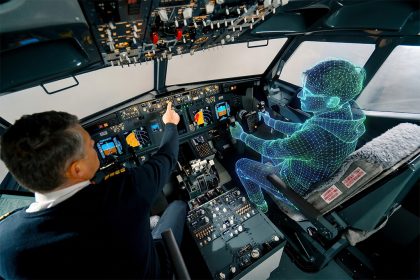
Human-in-the-Loop Digital Twins: How Real-Time Biosensor Data Is Transforming Simulator Research