



This research seeks to explore how exposure to horticultural elements in the streetscape may impact cardiovascular health and well-being. We used advanced facial expression and heat-mapping technology software to compare preconscious levels of attentiveness, gaze path, facial expressions, and fixation on images (emotional responses) with and without horticultural elements among 47 adult participants. We found that the position and existence of Lush green elements were significantly related to these biological responses. Barren images were found to elicit a more frequent negative emotional response. This study presented the relationship between horticultural elements and users’ conscious and unconscious responses to Lush versus Barren images of street scenes. Key fixation points were correlated with a reduction in stress levels. This finding suggests that including these elements in landscape design could improve well-being.

Related Posts
-

The Brain’s Buy Button Is a Myth
-
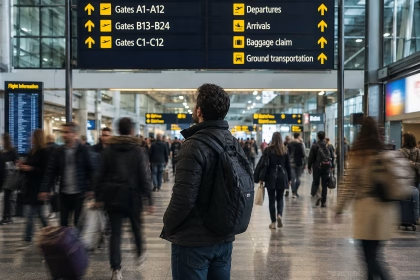
How to Study Indoor Wayfinding: What People Notice, Where They Struggle, and What to Measure
-

Combatting Fraud in Online Surveys: What To Do When Your Respondents Aren’t Real
-

Human-in-the-Loop Digital Twins: How Real-Time Biosensor Data Is Transforming Simulator Research