

Safety communication is increasingly used for destination promotion, while current scholarship predominantly focusing on its roles in image-repair and risk prevention, scarcely studied its promotional potential. This study, drawing on social exchange theory, examines how in-flight safety videos evoke curiosity and emotional arousal, influencing destination recommendation behavior. A one-way factorial experiment (N = 88) compares videos with and without destination promotion, using psychophysiological measures (galvanic skin response, eye-tracking) and self- reports. Results indicate that culturally embedded safety content enhances curiosity and emotional engagement, positively impacting recommendation behavior. These findings provide valuable insights for designing safety videos that integrate safety communication with destination marketing.

Related Posts
-

The Brain’s Buy Button Is a Myth
-

How to Study Indoor Wayfinding: What People Notice, Where They Struggle, and What to Measure
-

Combatting Fraud in Online Surveys: What To Do When Your Respondents Aren’t Real
-
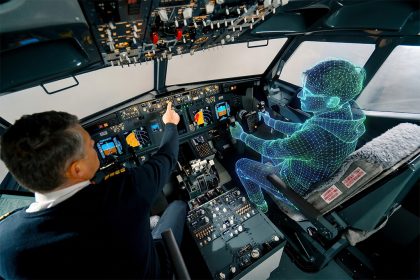
Human-in-the-Loop Digital Twins: How Real-Time Biosensor Data Is Transforming Simulator Research