
Executive Summary & Key Takeaways
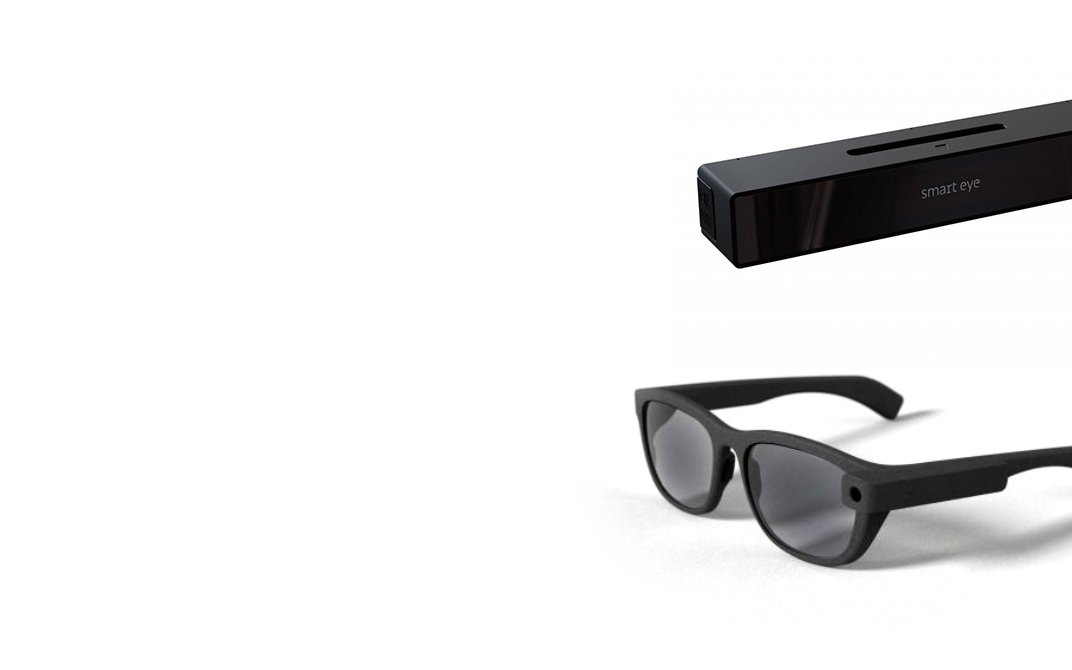
Screen-based eye trackers measures where and how long users look on digital interfaces using infrared light and high-speed cameras. It provides objective data on visual attention, making it a core tool for UX research, media testing, and cognitive studies.
Key performance factors include:
- Accuracy (≤0.5°): ensures correct mapping to on-screen elements (AOIs)
- Precision (≤0.1–0.2°): ensures stable, reliable gaze data
- Sampling rate (Hz): determines timing (60–120 Hz for UX, 250+ Hz for research)
- Head freedom: balances natural behavior with data quality
A simple rule: accuracy defines what users look at, precision defines data reliability, and sampling rate defines when it happens.
Screen-based eye tracking is a non-intrusive, high-precision, and versatile method for understanding attention and improving digital experiences.
Table of Contents
Eye tracking technology has become an indispensable tool in understanding human visual behavior and enhancing user experiences. Among the various types of eye trackers, screen-based eye trackers are widely used for their precision and ease of use. This article delves into the workings of screen-based eye trackers, their applications, and the benefits they offer.
What is Screen-Based Eye Tracking?
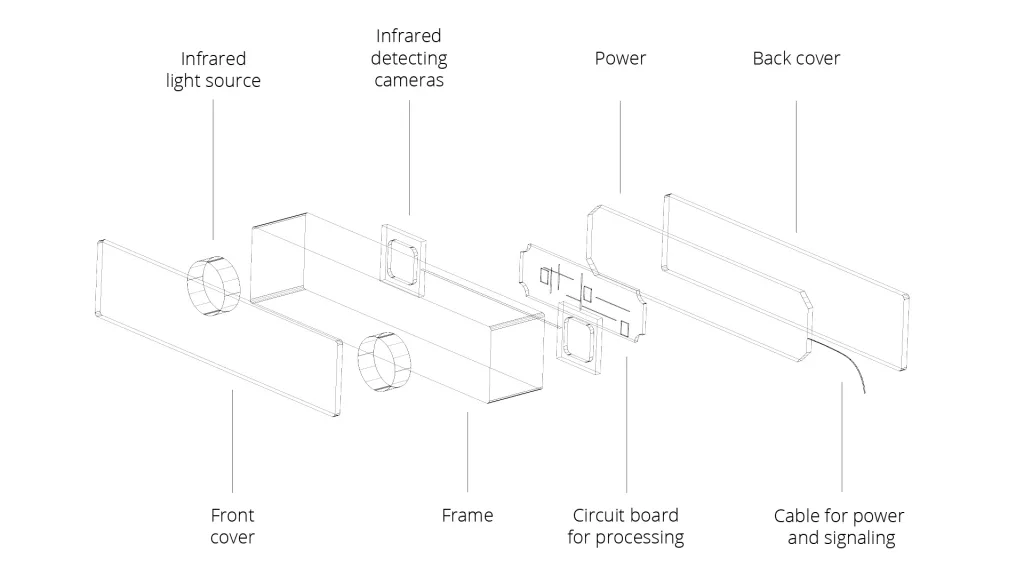
Screen-based eye tracking involves monitoring where and how long a person looks at different areas on a computer screen. This technology uses infrared light and high-speed cameras to capture detailed images of the eyes, which are then analyzed to determine the direction of the gaze.
Understanding these fundamental mechanics is crucial for appreciating the vast capabilities of the technology. For a comprehensive overview of the methods, applications, and benefits, exploring a dedicated resource on Eye Tracking – Screen Based can provide deeper insights.
How Screen-Based Eye Trackers Work
Infrared Illumination:
- Screen-based eye trackers use infrared LEDs to illuminate the eyes. This light is invisible to the human eye but creates reflections on the cornea and pupil, essential for accurate tracking.
High-Speed Cameras:
- Cameras positioned around or integrated into the monitor capture images of the eyes at high speeds. This allows the system to track rapid eye movements with precision.
Pupil and Corneal Reflection Detection:
- The system detects the reflections created by the infrared light on the cornea and pupil. By analyzing these reflections, the eye tracker calculates the direction of the gaze.
Calibration:
- Calibration is crucial for accuracy. During this process, the user looks at specific points on the screen, allowing the system to map eye movements accurately to the screen coordinates.
Gaze Mapping:
- After calibration, the eye tracker can map the user’s gaze onto the screen, showing exactly where the user is looking in real-time.
Screen-Based Eye Tracker Buying Guide (What Actually Matters)
| Parameter | What it is | Typical Range | “Good” Value | Best for | Watch out for |
|---|---|---|---|---|---|
| Sampling Rate (Hz) | How many gaze samples per second | 30–2000 Hz | 60–120 Hz (UX) / 250–600+ Hz (research) | High Hz = better timing of saccades & micro-movements | Low Hz misses fast eye movements; ≥500 Hz recommended for detailed reading studies |
| Accuracy (° visual angle) | Distance between true gaze and recorded gaze | ~0.3°–1.5° | ≤0.5° (lab-grade) | AOI-based studies, UX, ad testing | Poor accuracy = wrong AOI classification |
| Precision (° RMS / noise) | Stability of gaze points over time | ~0.03°–0.5° | ≤0.1°–0.2° | Fixation detection, micro-analysis | Low precision = noisy data → bad fixation detection |
| Head Freedom / Track Box | How much movement is allowed | Small (chin rest) → Large (free movement) | Moderate–large for UX | Natural behavior, usability studies | More freedom often reduces accuracy |
| Latency (ms) | Delay between eye movement and data output | ~3–50 ms | <10 ms (real-time apps) | Gaze-contingent stimuli, gaming, HMI | High latency breaks real-time interaction |
| Robustness to Glasses / Lighting | Performance under real-world conditions | Varies widely | High robustness for field-like UX | Consumer research, real-world testing | IR reflection issues, sunlight interference |
| Calibration Method | How gaze mapping is established | 1–9 point calibration | 5–9 point preferred | High-precision research | Poor calibration = major accuracy loss |
| Data Loss (%) | Missing gaze samples | 0–20%+ | <5% ideal | Any quantitative study | High loss biases results |
| Binocular vs Monocular | Tracks one or both eyes | Both preferred | Binocular | Better robustness & depth cues | Monocular = less stable |
| Spatial Resolution (px or °) | Smallest detectable movement | Device-specific | High resolution | Fine-grained gaze analysis | Often confused with accuracy (they’re different) |
| SDK / Integration | Ability to sync with other data | Limited → extensive | Strong API + sync | Multimodal research (EEG, GSR, etc.) | Closed systems limit analysis |
| Mounting / Setup Type | Physical configuration | Screen-mounted / remote | Remote preferred | UX, media testing | Fixed setups reduce ecological validity |
Important Considerations and need-to-knows when buying Eye Trackers
1. Accuracy vs Precision (Most misunderstood)
- Accuracy = “Are you looking at the right place?”
- Precision = “Is the signal stable?”
You need both:
- High precision + low accuracy → consistently wrong
- High accuracy + low precision → noisy, unusable data
2. Hz is NOT always king
- UX / media testing → 60–120 Hz is enough
- Reading / cognitive neuroscience → 250–1000 Hz
- Overbuying Hz is very common
3. Head freedom vs data quality trade-off
- More natural behavior = worse data quality
- Lab-grade setups restrict movement for a reason
Quick Purchasing Recommendations by Use Case
Academic / Cognitive Research
- Hz: 250–1000 Hz
- Accuracy: ≤0.5°
- Precision: ≤0.1°
- Head freedom: Low–moderate
You care about timing + fixation classification
UX / Usability / Web Testing
- Hz: 60–120 Hz
- Accuracy: ≤0.5–1.0°
- Head freedom: Moderate–high
You care about AOIs + natural behavior
Media / Ad Testing
- Hz: 60–120 Hz
- Accuracy: ≤0.5–1.0°
- Robustness: VERY important
You care about attention + scalability
Human Factors / HMI / Safety
- Hz: 120–300 Hz
- Latency: LOW
- Head freedom: High
You care about reaction time + real-world conditions
Applications of Screen-Based Eye Trackers
Usability Testing:
- Screen-based eye trackers are extensively used in usability testing to evaluate how users interact with websites and software. By analyzing gaze patterns, designers can identify areas where users struggle and optimize the interface to enhance the user experience.
Market Research:
- Marketers use screen-based eye tracking to understand consumer behavior. By tracking where users look on advertisements, product pages, or websites, they can gain insights into what captures attention and what might be ignored. This data is invaluable for optimizing marketing strategies and ad placements.
Academic and Scientific Research:
- Researchers in fields like psychology, neuroscience, and education use screen-based eye tracking to study cognitive processes and visual attention. This technology helps in understanding how people process information, make decisions, and learn.
Benefits of Screen-Based Eye Tracking
High Precision:
- Screen-based eye trackers offer high precision in tracking eye movements, making them ideal for detailed analysis of visual behavior.
Non-Intrusive:
- These systems are non-intrusive and do not require the user to wear any special equipment, making them comfortable and easy to use for extended periods.
Versatility:
- They can be used for a wide range of applications, from commercial usability testing to academic research, providing valuable insights across different fields.
Case Studies and Examples
Website Usability Testing:
- Companies use screen-based eye tracking to test the usability of their websites. By analyzing where users look, companies can improve the design and layout of their sites to enhance user engagement and satisfaction.
Advertising Effectiveness:
- Marketers employ screen-based eye tracking to evaluate the effectiveness of online ads. By understanding which parts of an ad draw the most attention, they can optimize ad design to increase engagement and conversion rates.
Screen-based eye trackers are a powerful tool for understanding visual behavior and improving user experiences. Their high precision, non-intrusive nature, and versatility make them ideal for various applications, from usability testing and market research to academic studies. As eye tracking technology continues to evolve, screen-based systems will undoubtedly play a crucial role in uncovering new insights into how we interact with digital content.
For those interested in leveraging eye tracking technology, screen-based eye trackers offer a reliable and effective solution for gathering detailed data on user behavior, driving better design, and enhancing overall engagement.