Abstract:
Objectives
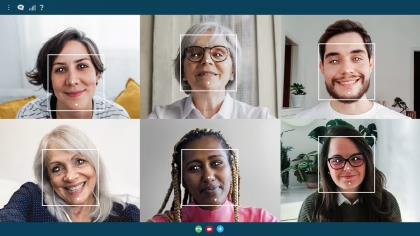
This research jointly combines voters. biometric facial expression analysis while viewing images of candidates and party logos with traditional surveys to define and quantify novel indicators of affective voting. The paper explains the innovative methodology and analyzes the results of the experiment carried out before the 2023 elections in Spain to understand how spontaneous emotional reactions to political stimuli explain the differences between electoral outcomes and polls.
Results
The results with a sample size of 305 subjects indicate that reactions to candidates’ faces were triggered more often than those to logos and positive emotions were triggered less often than negative emotions. Affection due to above-average positive reactions to candidates and disaffection generated by high levels of negativity partially explains the differences between outcomes and voting preferences.
Conclusion
The developed methods and tools open essential opportunities for analyzing electoral trends, designing surveys carried out by polling bodies and companies, and even designing electoral campaigns and selecting candidates by political parties.