

Physiological Arousal
Measure Physiological Arousal Across Contexts
Understand changes in physiological arousal through respiration rate, electrodermal activity (GSR/EDA), and ECG- in both lab-based and remote studies – to assess stress response, activation intensity, and cognitive load across stimuli and experiences.
How iMotions Measures Measure Physiological Arousal

Galvanic Skin Response
Measure changes in skin conductance to assess sympathetic nervous system activation and moment-to-moment physiological arousal in response to stimuli.

Electrocardiography
Measure heart rate and heart rate variability (HRV) to assess cardiovascular reactivity and physiological arousal during tasks and stimulus exposure.

Respiration
Measure respiration rate and breathing variability using sensors to assess physiological arousal, stress response, and recovery patterns during tasks or stimulus exposure.

Webcam Respiration
Estimate respiration rate remotely using standard webcams to measure physiological arousal and stress response in scalable, online studies.
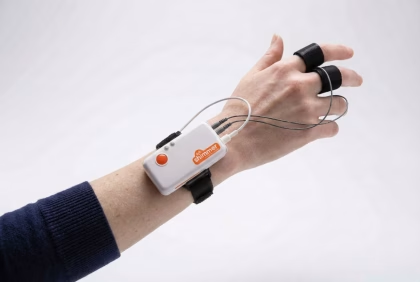
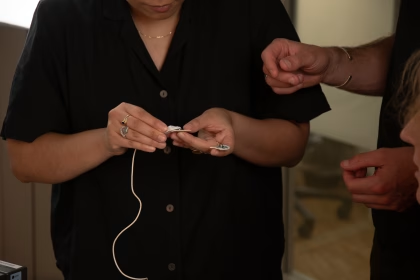
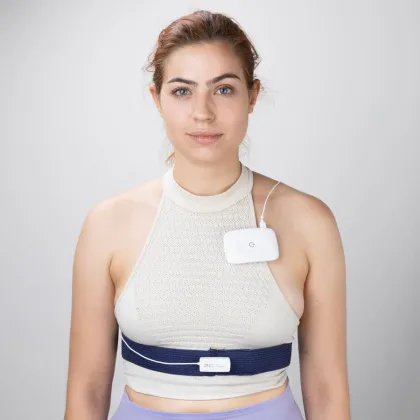
Hardware Options for Arousal Research
Physiological arousal can be measured using research-grade sensors designed for controlled laboratory environments.
Physiological Arousal Is Rarely Studied Alone
In many studies, attention is combined with emotional and arousal measures to better understand why people focus on certain elements – not just what they look at.
Look at common application areas conducted with iMotions.
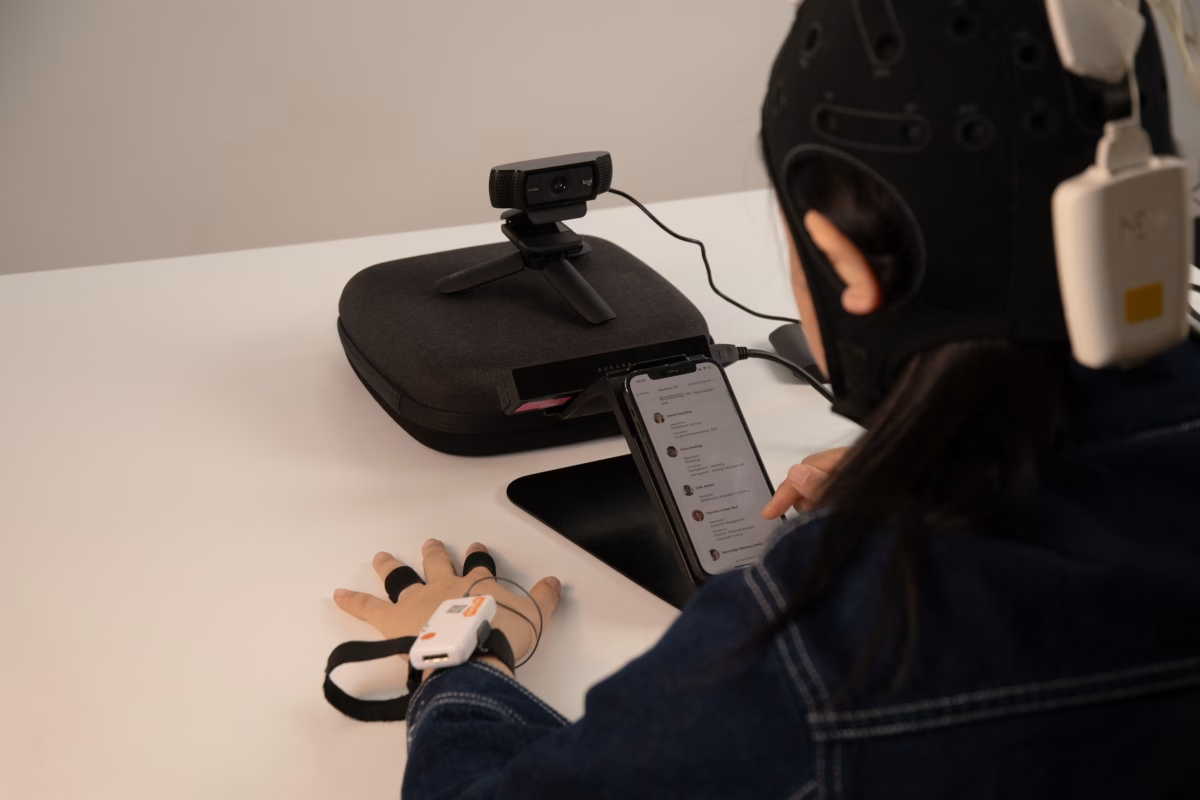
Not Sure Which Setup Fits Your Study?
Tell us what you want to study, who your participants are, and where the research will take place. We’ll help configure the right methods, hardware, and research setup for you.
No obligation – we’ll help you figure out the right approach.